Technologies That Jumped off the Screen and into Our Lives
From the Newspad in 2001: A Space Odyssey to Neuralink and flying cars — the sci-fi gadgets that made the leap to reality, the ones still being built, and the ones we are still waiting on.
Throughout the 20th century and into the 21st, authors and filmmakers have imagined futuristic personal technologies in their creative works. Many of these gadgets and devices seemed like pure fantasy at the time. But as technology has rapidly advanced in recent decades, we've seen some of the most iconic sci-fi tech make the leap from fiction to reality.
Tech that has made it
Newpad to iPad
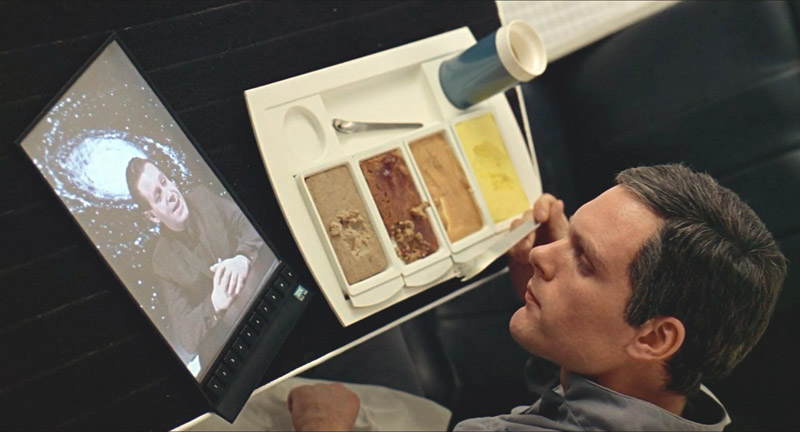
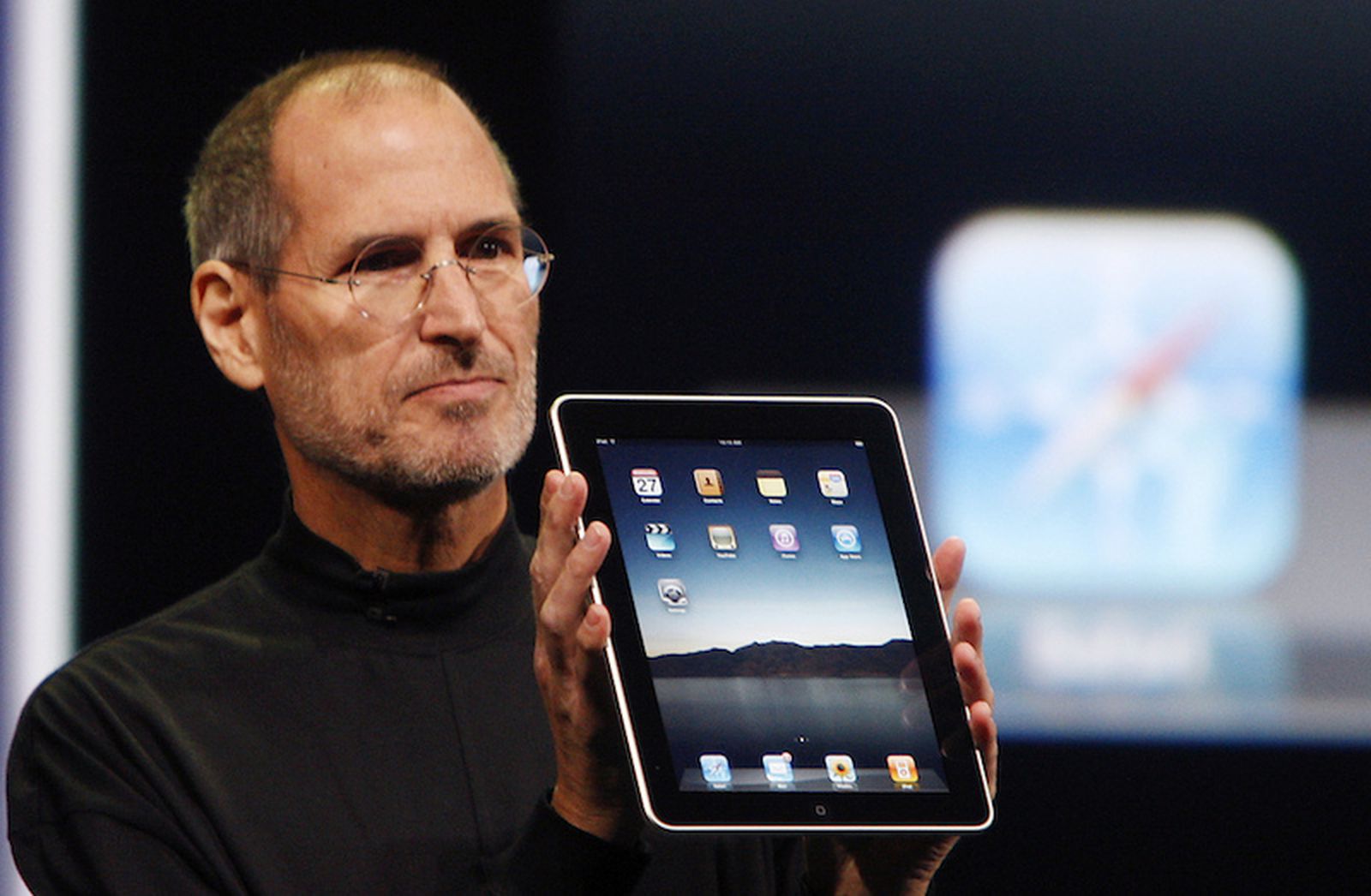
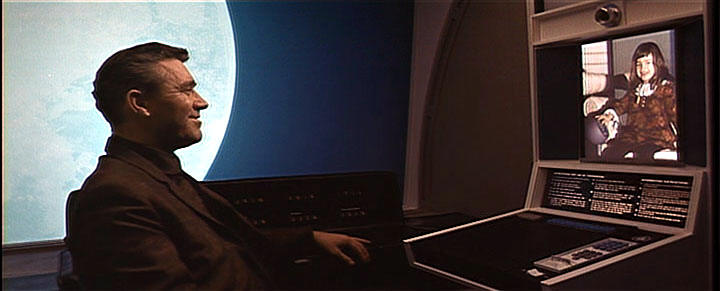
One of the most ubiquitous devices is the iPad, and its roots are in science fiction. In 2001: A Space Odyssey, astronauts use a device called the "Newspad" which has a striking resemblance to modern iPads. With its flat screen and ability to display news, books, and other media, the Newspad presaged devices like the iPad and today similar devices have become indispensable tools for notetaking to content consumption in our daily lives.
Smart Phone
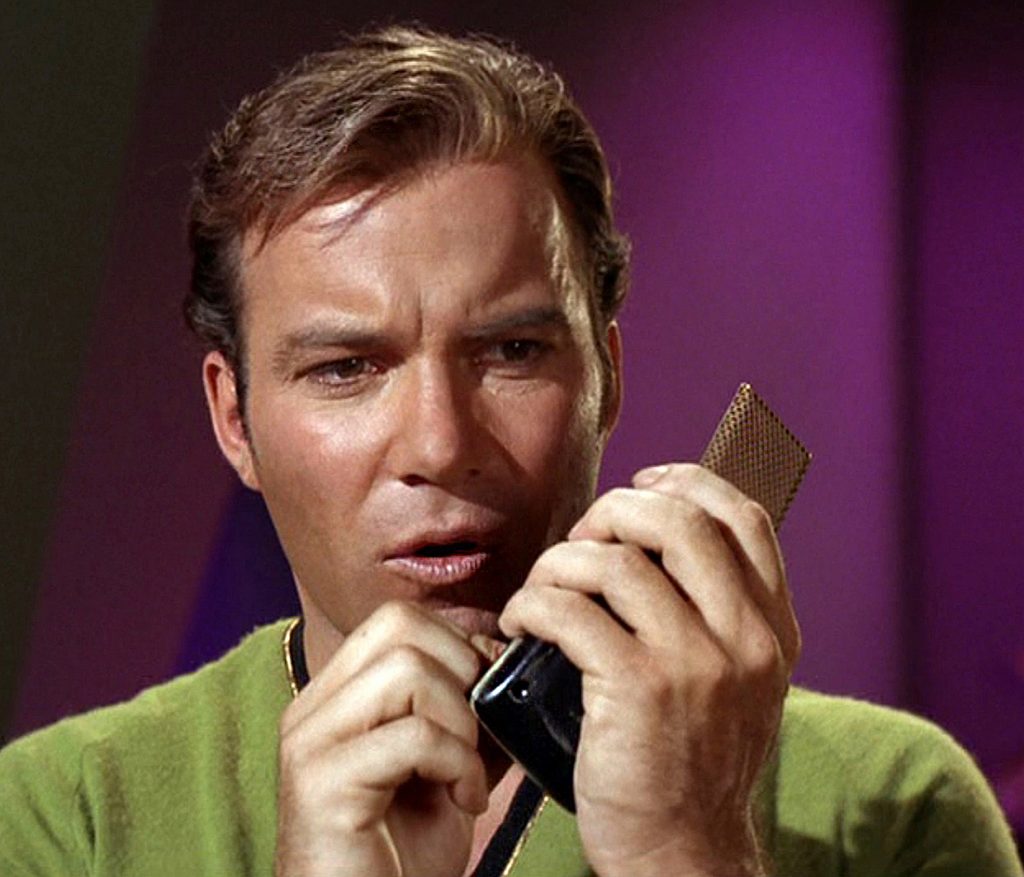
The iPhone, and the smartphone more broadly, is another transformative piece of personal technology that was predicted by science fiction. In the 1966 Star Trek episode "The Cage," characters use a portable communication device that bears a remarkable similarity to modern flip phones. This one device has revolutionized the way we communicate, work, and play, and it all started with a vision of the future from a 1960s TV show.
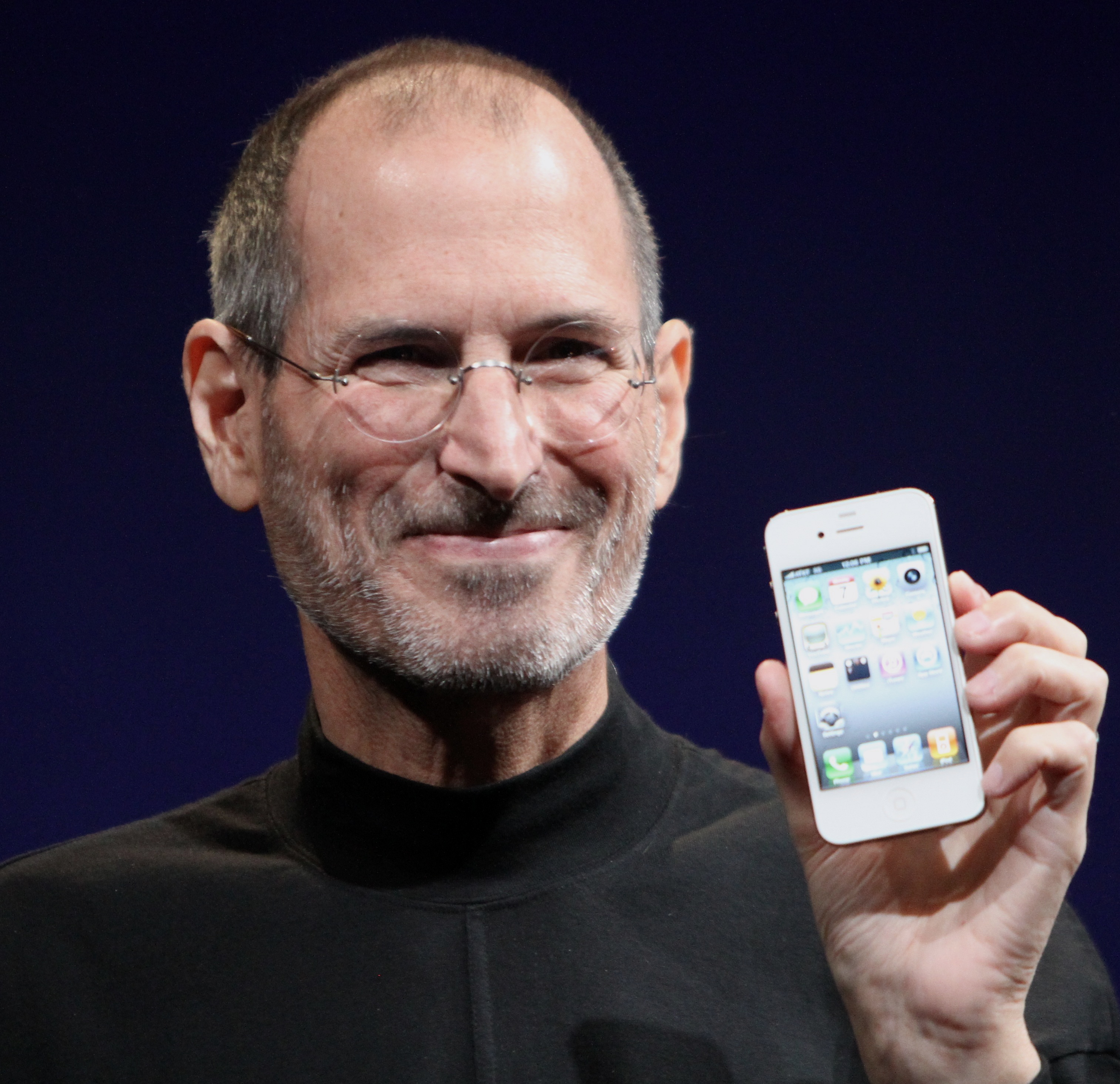
A cool wrist watch
The Apple Watch, released in 2015, bears a striking resemblance to the two-way wrist radio worn by Dick Tracy in the classic comic strip. In the comics, which first appeared in 1931, Tracy's watch allowed him to communicate with police headquarters and other officers. Like the watch in comics, the Apple watch has communication capabilities called Walkie-Talkie where one can talk to others using the smartwatch. Today's watches have a much greater feature set — workout tracking, notifications and more.

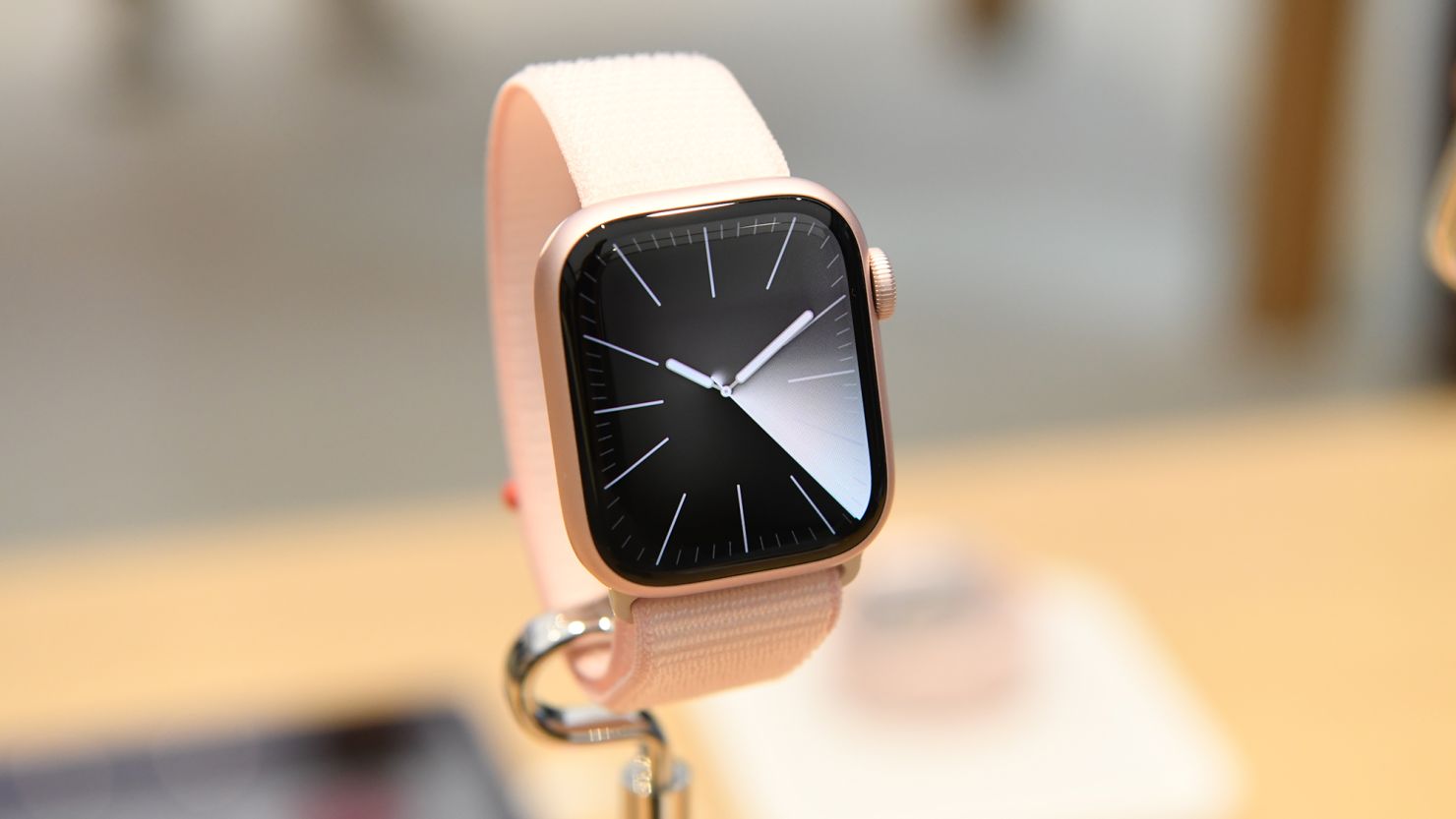
Video Conferencing
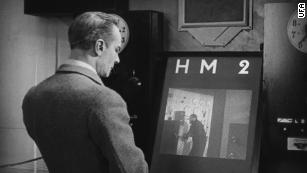
We have seen technologies like video calling, which was seen in a movie as old as "Metropolis". The movie was released in 1927 and it showed a video call between two people. This was a very futuristic concept at that time but now we have video calling, facetime, and Zoom has become a part of our daily lives especially as we navigate the new world post COVID 19. There are also great advancements currently like Google Project Starline where video is being constructed with a 3d perspective which brings people closer as one feels more immersed

Self-driving cars
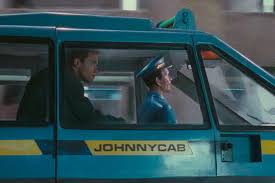
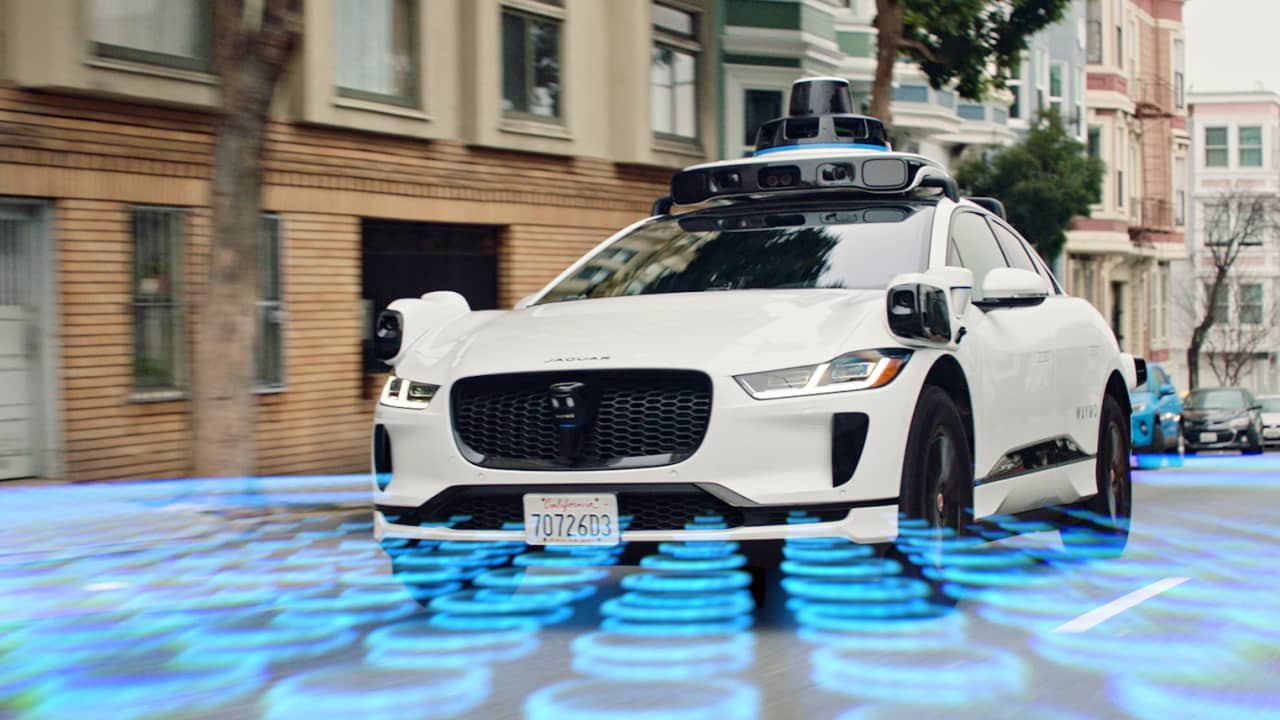
The concept of self-driving cars has been a staple of science fiction for decades. In the 1990 film Total Recall, the main character hops into a self-driving "Johnny Cab" to navigate the futuristic city. Similarly, in 2002's Minority Report, autonomous vehicles are the norm, seamlessly navigating the city's streets. Today, companies like Tesla, Waymo, and Uber are making significant strides in developing self-driving technology.
Tech that is currently in the making
AR headsets
The apple vision pro is an example of tech that is currently in the making. The apple vision pro is a pair of glasses that can be used to view augmented reality. This is similar to the glasses that were shown in the movie "Ready Player One". In fact, the Apple Vision Pro's introduction was itself inspired by "Ready Player One".
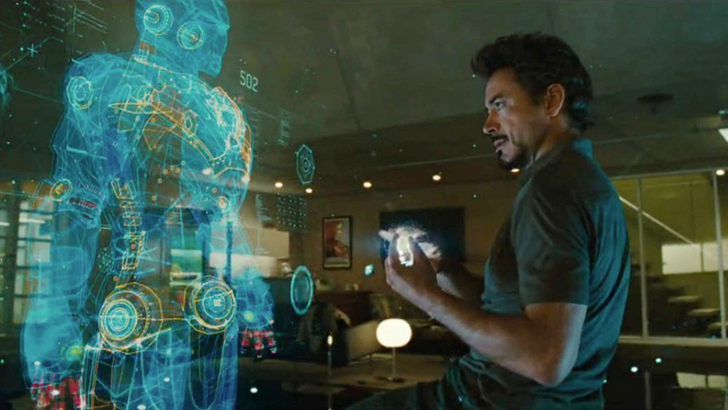
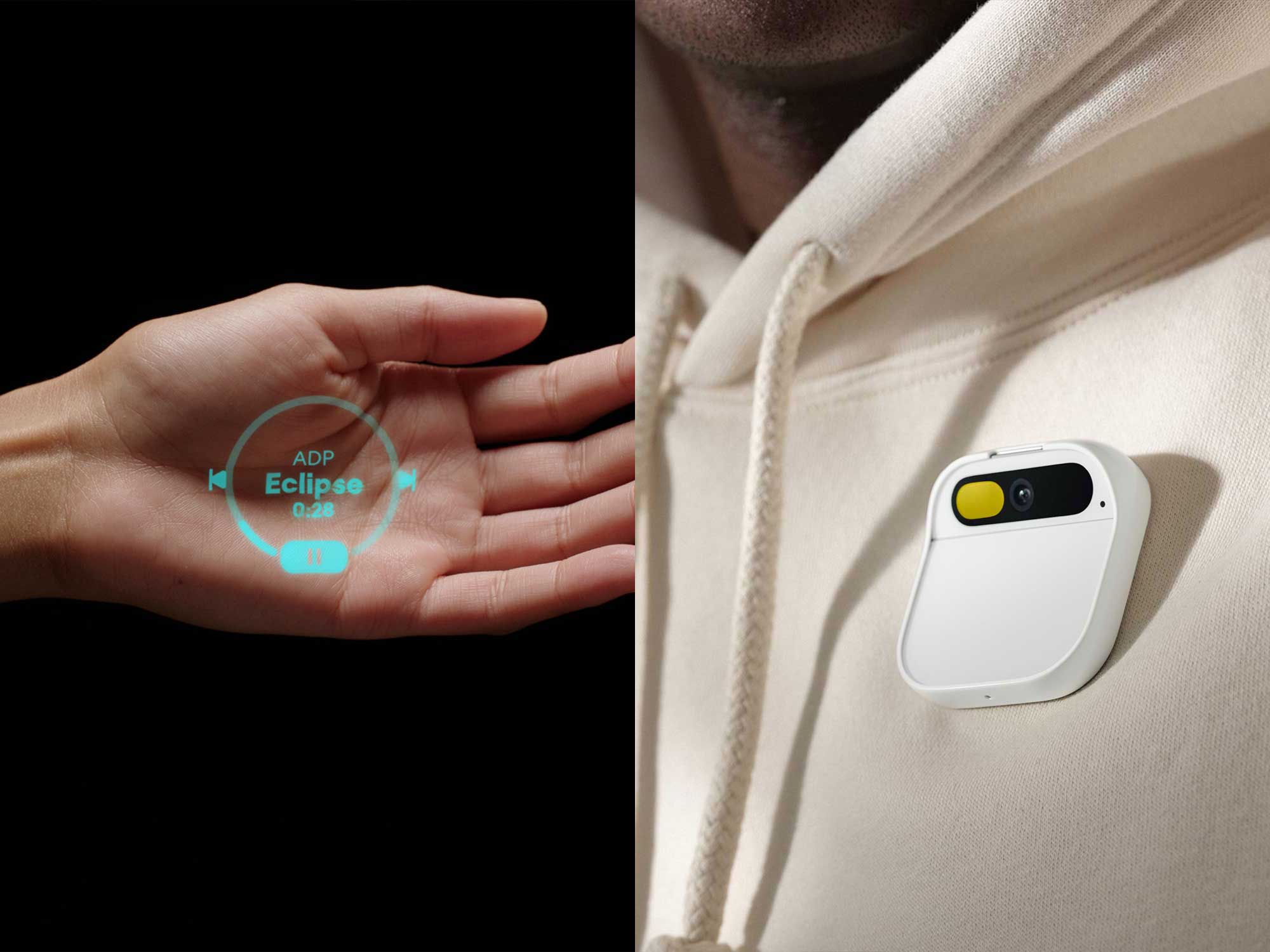
Holograms are a common feature in science fiction and have always been a way to ground scifi movies. From the iconic Princess Leia hologram in "Star Wars" to the interactive displays in "Minority Report," to the Marvel Cinematic Universe where Tony Stark's Iron Man suit is filled with advanced holographic interfaces. As we move closer to turning these fictional concepts into reality, companies like Apple and Humane are at the forefront of this innovation. Apple's Vision Pro, a mixed-reality headset, has brought holograms to life by blending digital content with the real world through spatial computing means. Similarly, Humane's AI-powered pin aims to project interfaces onto any surface, creating a new paradigm of interaction. While the “holograms” we encounter today may not be as sophisticated as those in movies, the rapid advancements in augmented reality, computer vision, and display technologies are paving the way for more immersive and realistic holographic experiences.
Facial recognition
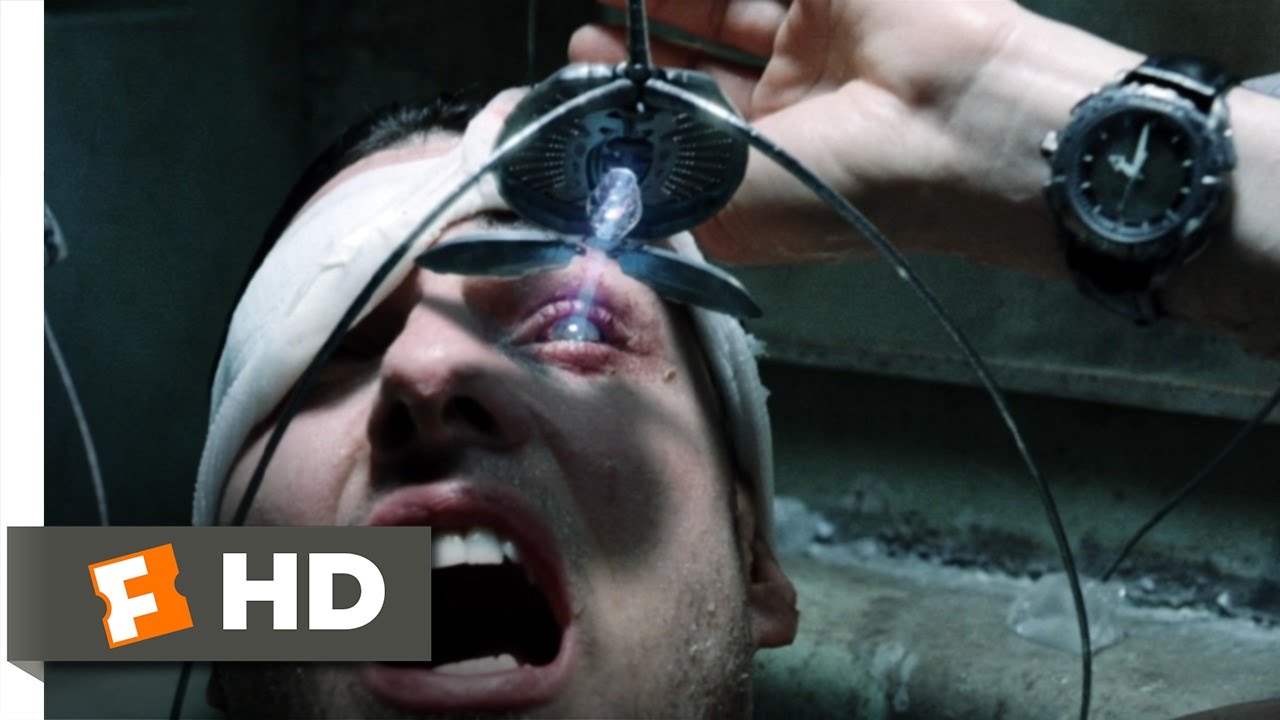
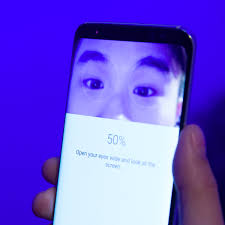
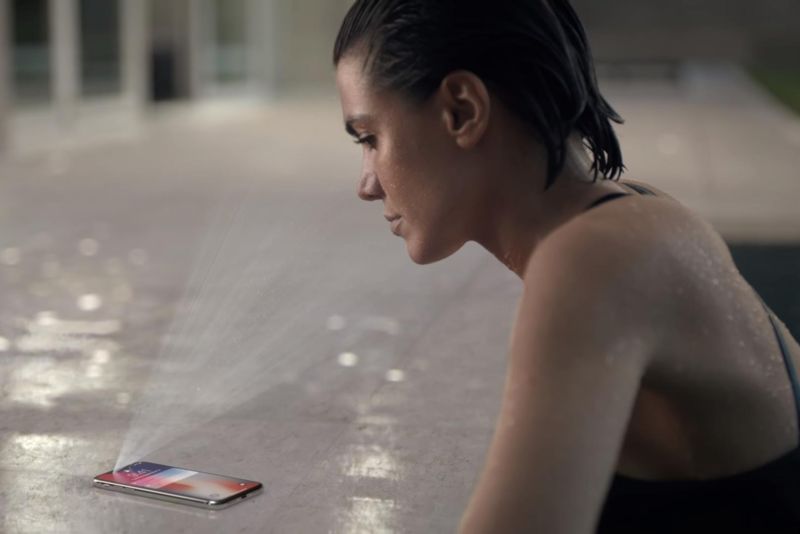
Facial recognition technology played a central role in the 2002 film Minority Report. In the movie, cameras constantly scan people's faces to identify them and track their movements for everything from displaying ads to people to surveillance of people. While the film portrayed this as a tool for law enforcement, real-world facial recognition has found its way into our personal devices and into government surveillance. Samsung introduced iris scanning authentication with the Galaxy S8 in 2017, allowing users to unlock their phones with just a look. Apple followed suit with the introduction of Face ID on the iPhone X, which uses advanced depth-sensing technology to create a detailed 3D map of the user's face for secure authentication. In the realm of government surveillance, many countries have adopted facial recognition technology for various purposes, from monitoring public spaces for security threats to tracking individuals of interest. These technologies, while not as dystopian as in Minority Report, demonstrate how well science fiction predicted the technologies we now live with.
Robots and humanoids
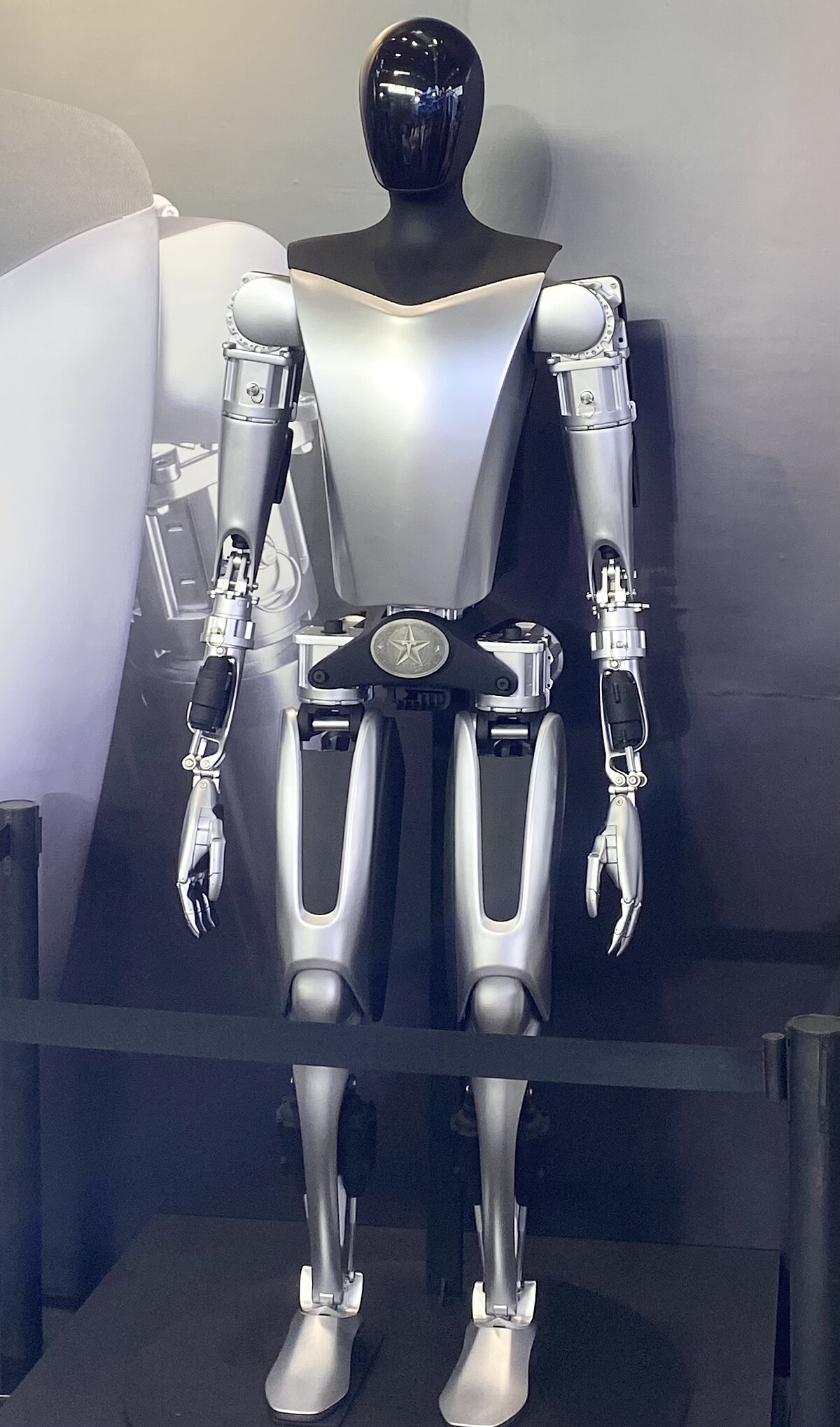
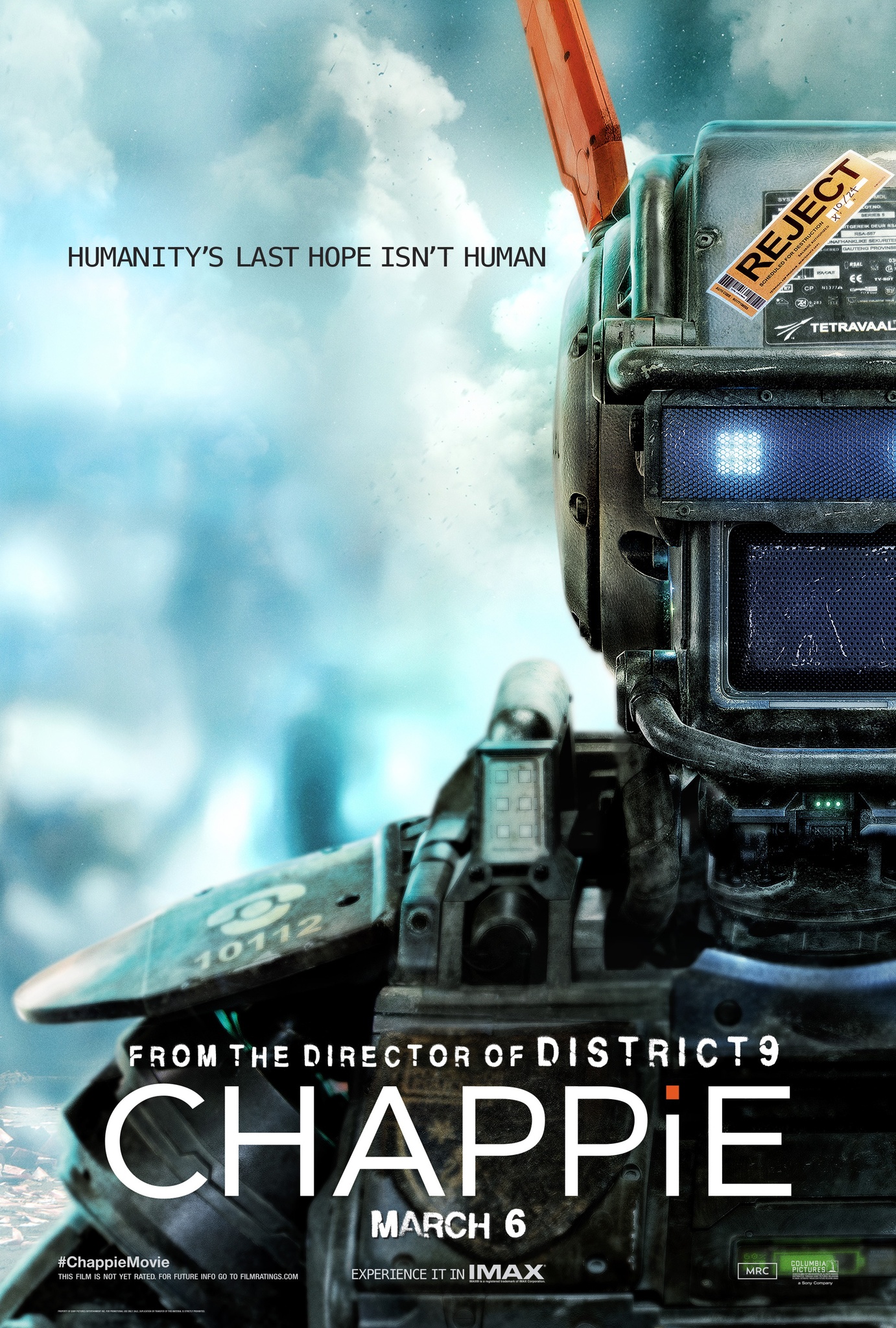
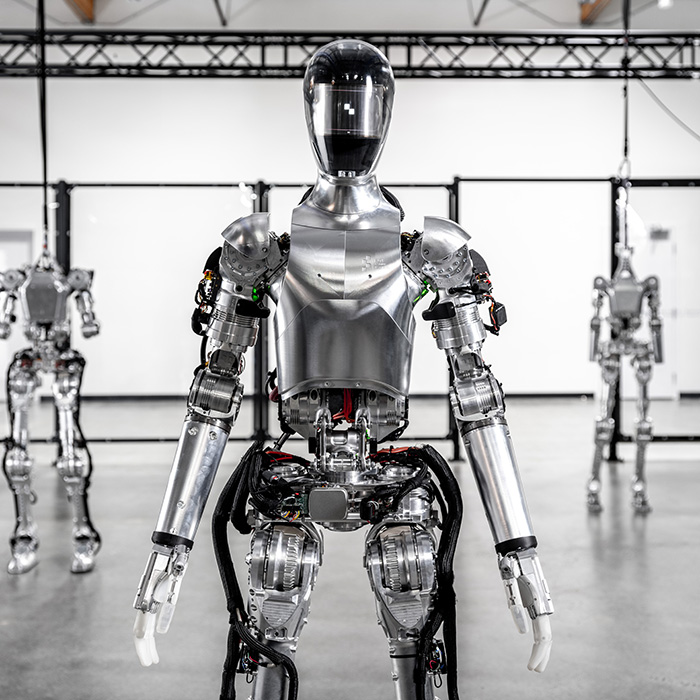
Robots and humanoids have been fascinating subjects in both science fiction and reality, captivating our imagination with their potential to revolutionize our lives. The movie "Chappie" explores the concept of a sentient robot with human-like emotions and the ability to learn and adapt. The film raises thought-provoking questions about the nature of consciousness and the ethical implications of creating intelligent machines. Similarly, we have seen the rise of humanoid robots like the Tesla Bot and Figure 01. With their human-like appearance and advanced AI capabilities, these robots aim to bridge the gap between humans and machines, making robot-human interaction more natural and intuitive.
Cute robots
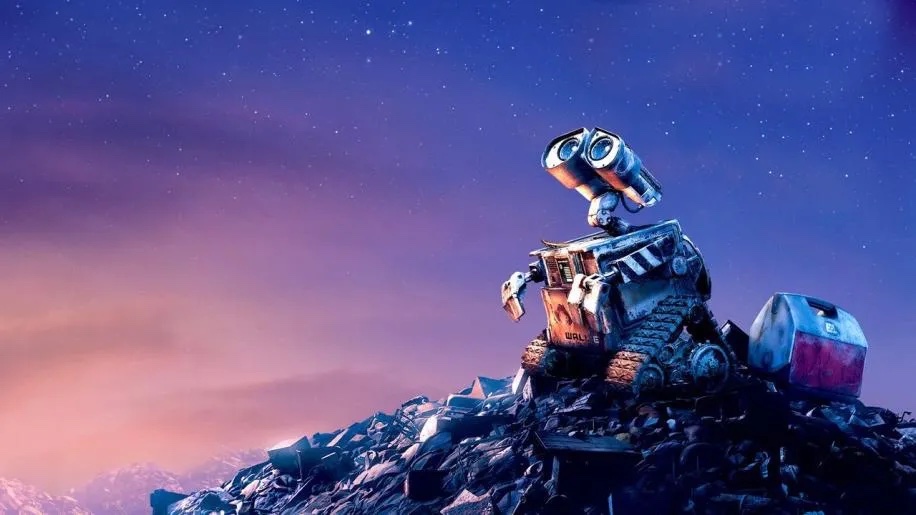
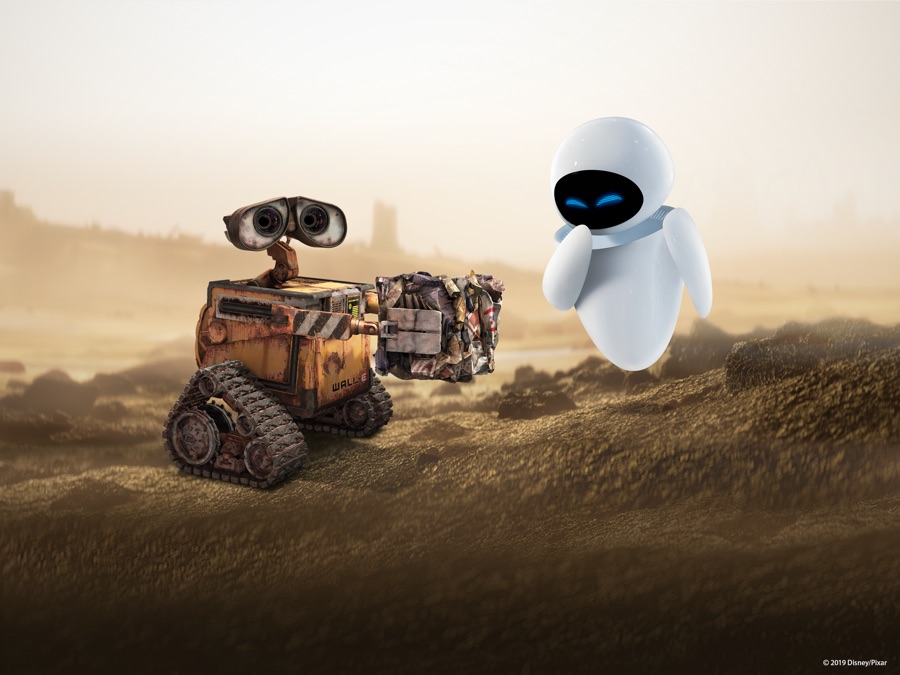
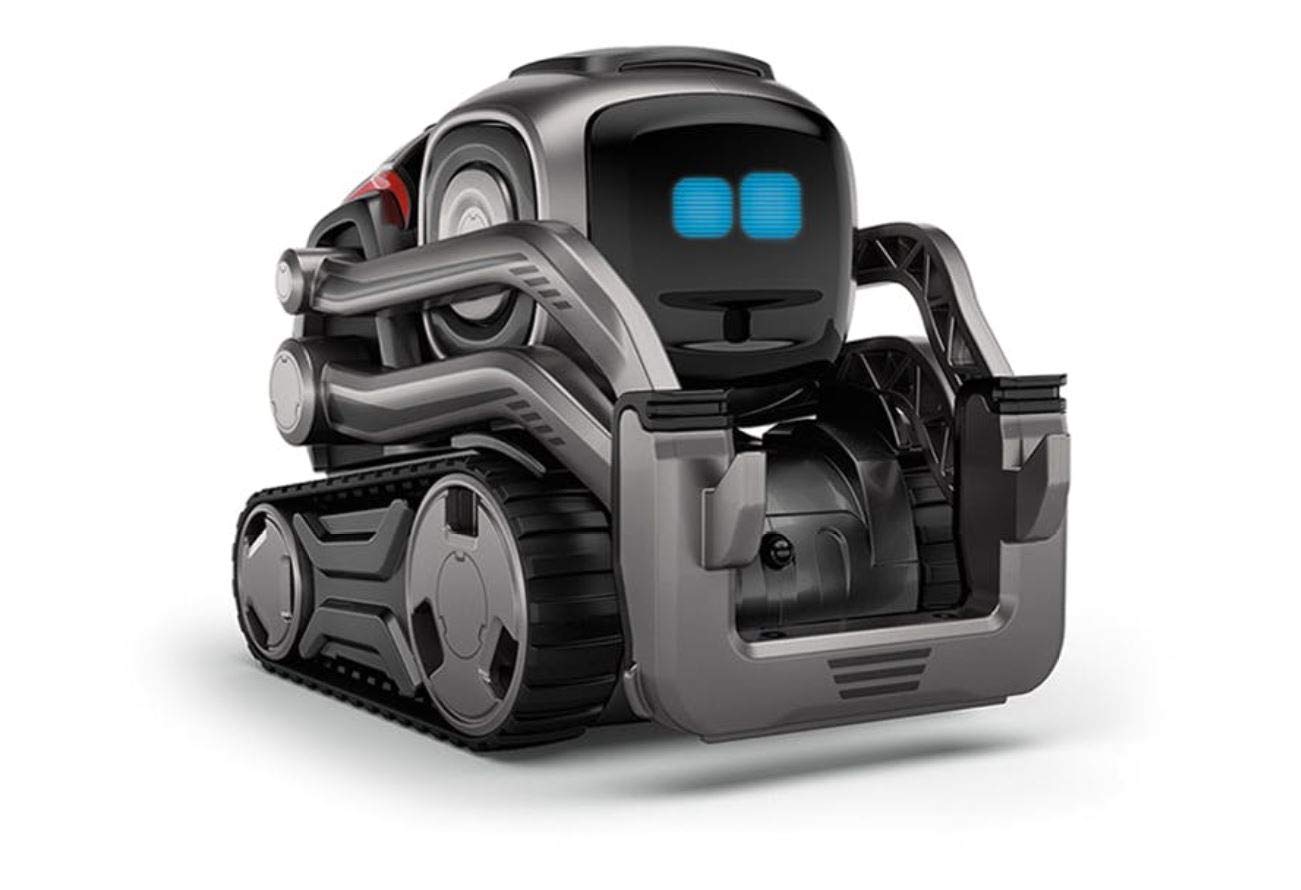
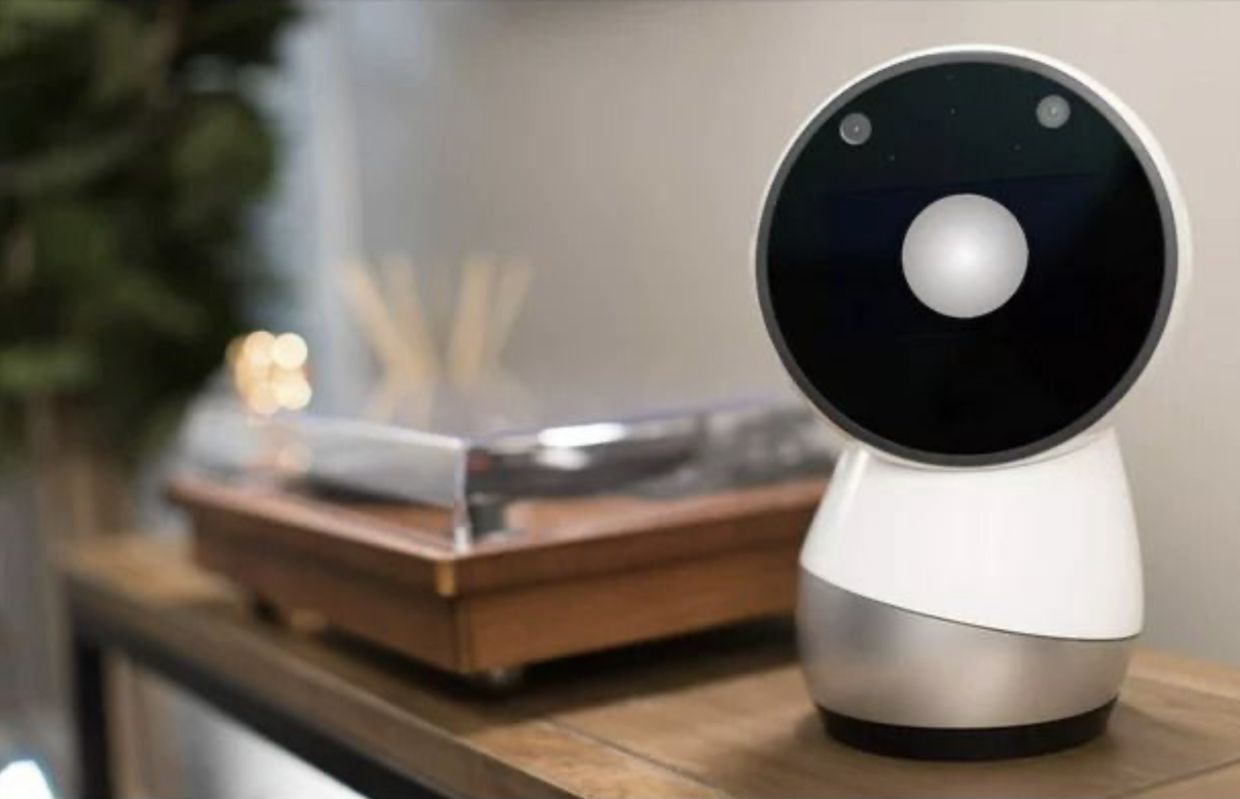
In the realm of science fiction, cute robots and robotic pets have long been a staple, capturing our hearts and imaginations. Like the adorable and sentient WALL-E in the Pixar movie, these fictional companions have showcased the potential for robots to become more than just machines. As technology has advanced, we have witnessed the transition of such robotic characters from the screen to our households. Some notable examples include the Vector Robot by Anki, a small autonomous robot designed to be a helpful and entertaining companion, and Jibo, a social robot created to interact with humans, express emotions, and assist with simple tasks. As these technologies continue to evolve, we can expect to see more advanced and emotionally intelligent robotic companions in our homes, blurring the line between the cute robots we once admired on screen and the ones we interact with in real life.
Artificial Intelligence
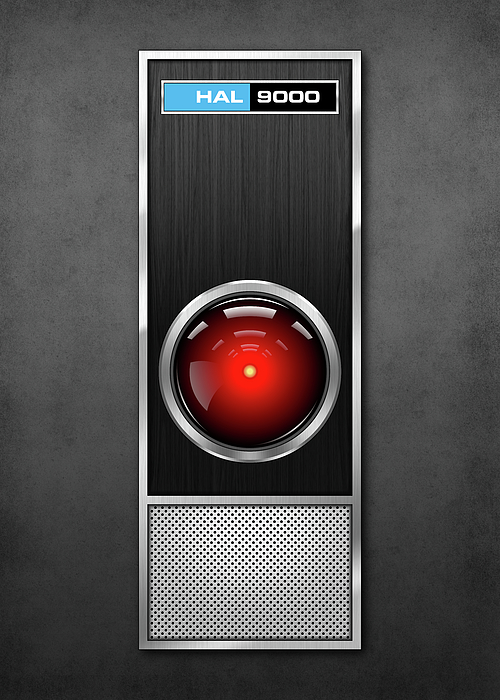
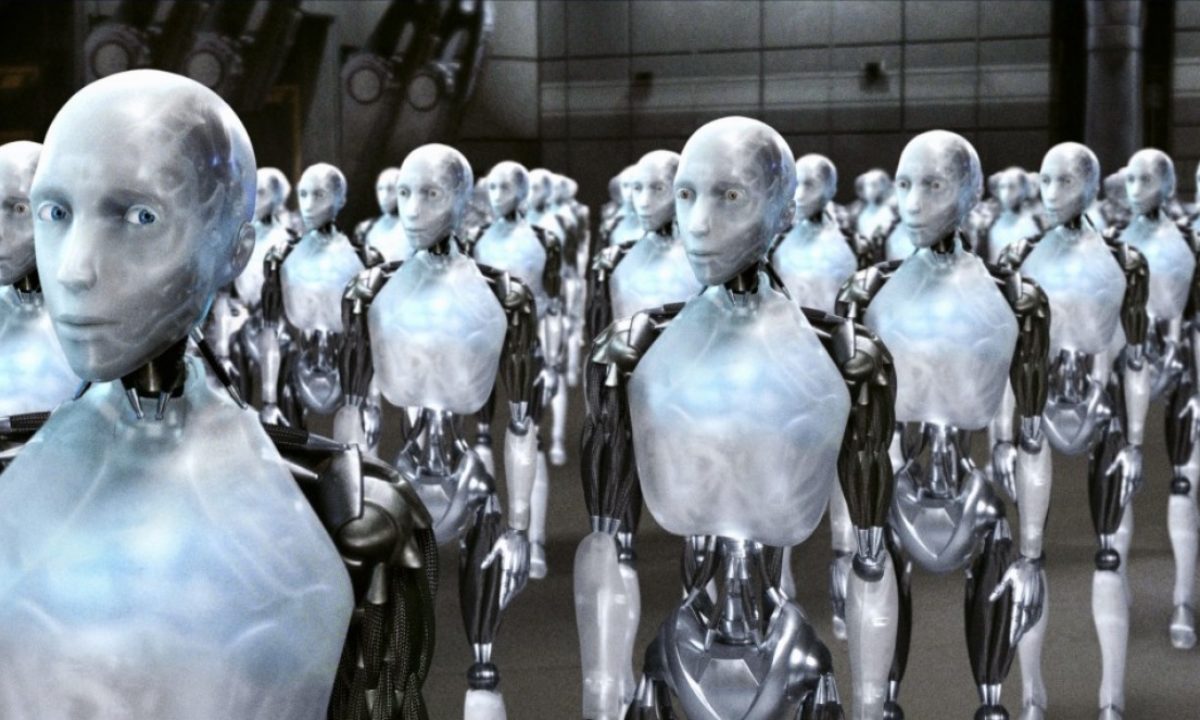
The concept of artificial general intelligence has long been an exciting subject in science fiction movies and literature. From the iconic HAL 9000 in "2001: A Space Odyssey", to the sentient machines in "I, Robot," and many more. These fictional AI entities have sparked both wonder and fear in the hearts of viewers. They possess human-like intelligence, the ability to learn, reason, and even develop emotions, often surpassing our capabilities. However, as technology advances at an unprecedented pace, the line between fiction and reality is becoming increasingly blurred. Recently we have seen steps towards ChatGPT and other agents alike that match or sometimes exceed human performance across a range of tasks. As this technology progresses we walk closer and closer to those fictional AI agents.

Tech for the future
Nanotechnology
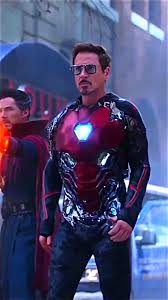
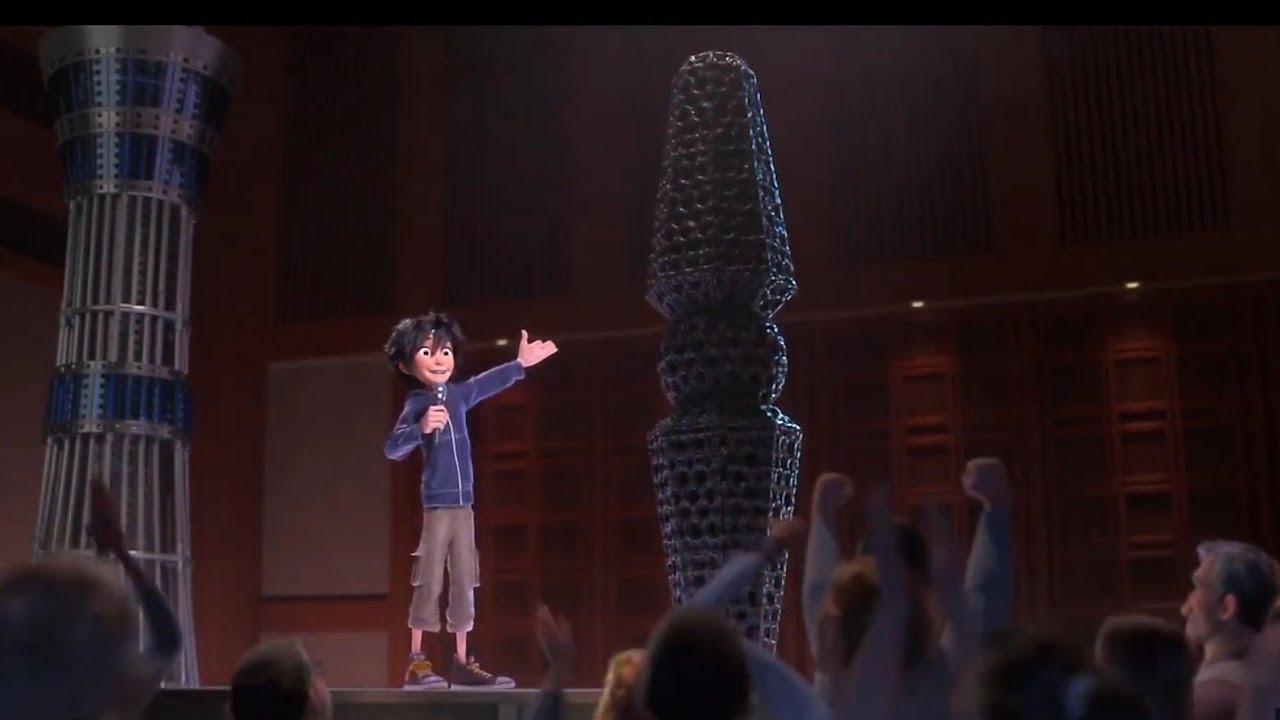
Nanotechnology has been a captivating subject in science fiction movies. In the Marvel Cinematic Universe, Tony Stark's Iron Man suit showcases the potential of nanotechnology, with the suit's ability to self-assemble and repair itself. Similarly, in the animated movie "Big Hero 6," the character Hiro Hamada creates a swarm of microbots that can work together to form various structures and perform complex tasks. While these fictional depictions of nanotechnology are astonishing, the reality of this technology is still in its early stages. We are still working to develop practical applications for nanotechnology, such as targeted drug delivery, and miniaturized electronic devices. However, the level of control and scale portrayed in movies like "Iron Man" and "Big Hero 6" is yet to be achieved.
Mind Control
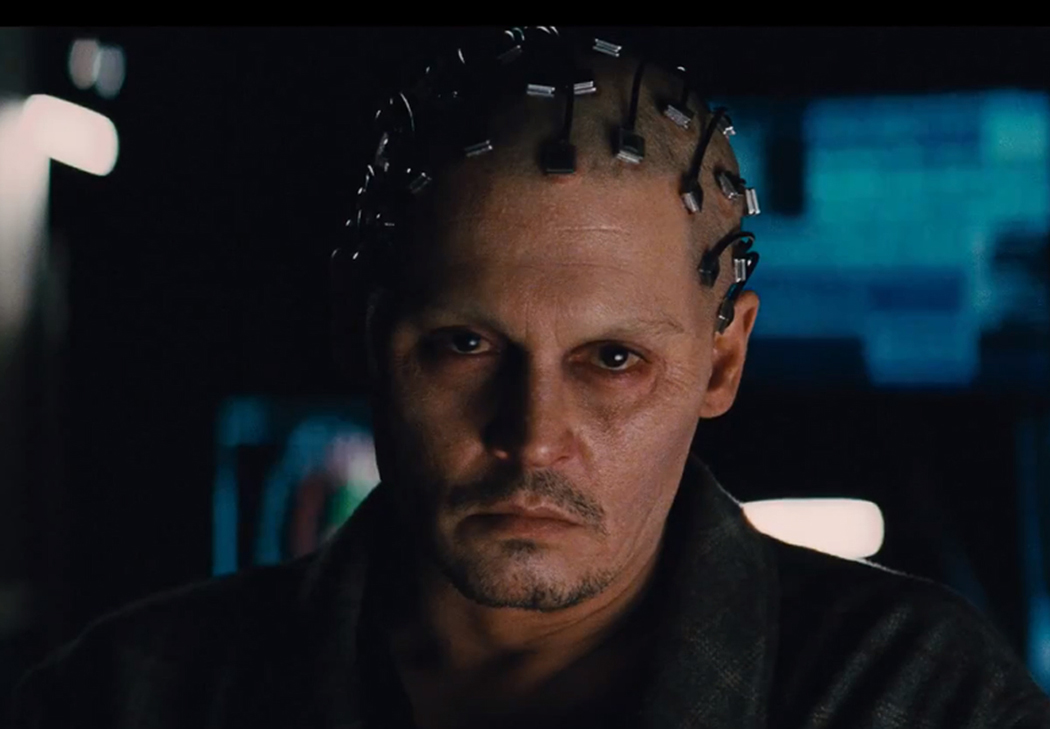
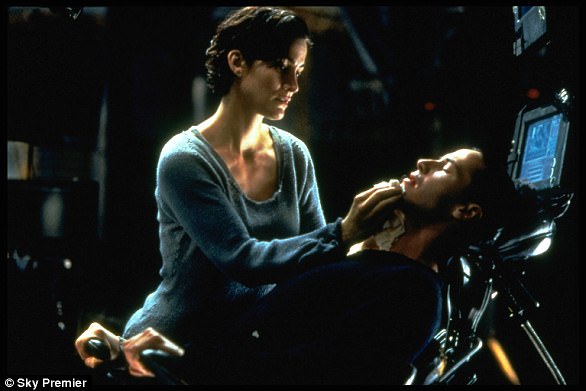
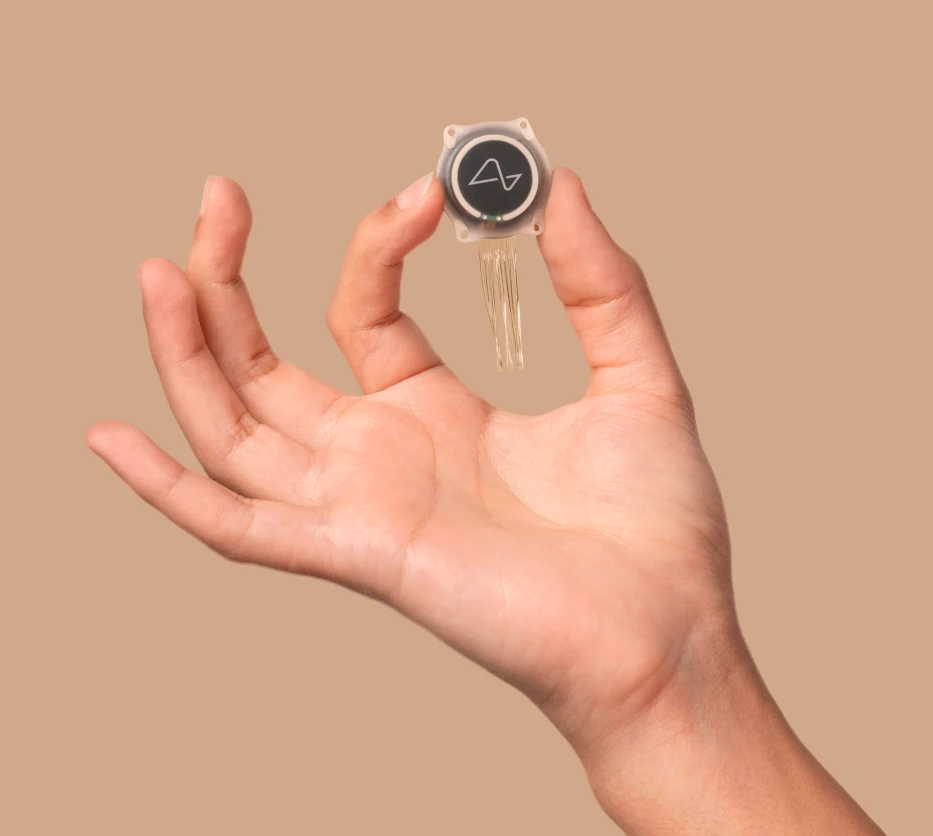
Brain-computer interfaces have also been a popular concept in science fiction, appearing in works like "The Matrix" and “Transcendence”. These devices allow users to control computers or other devices using only their thoughts. While there have been some advances in real-world BCIs, like Elon Musk's Neuralink, whose goal is to help people with paralysis communicate by allowing them to remotely control devices using brain activity such as the ability to control prosthetic limbs or communicate via text for individuals with paralysis, we are still far from the seamless, high-bandwidth communication depicted in science fiction. Current implants are still fairly invasive. Significant challenges remain in understanding the complexity of human thought and translating that into machine-readable data.
Flying cars
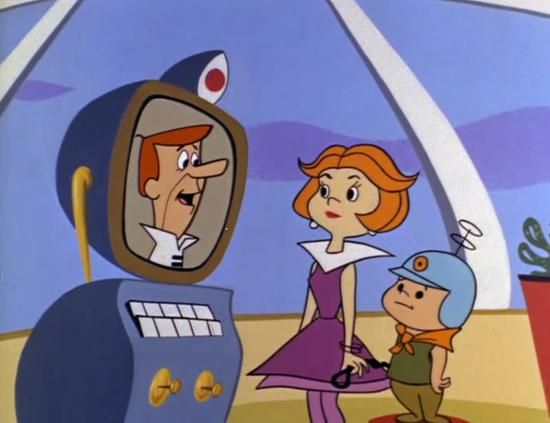
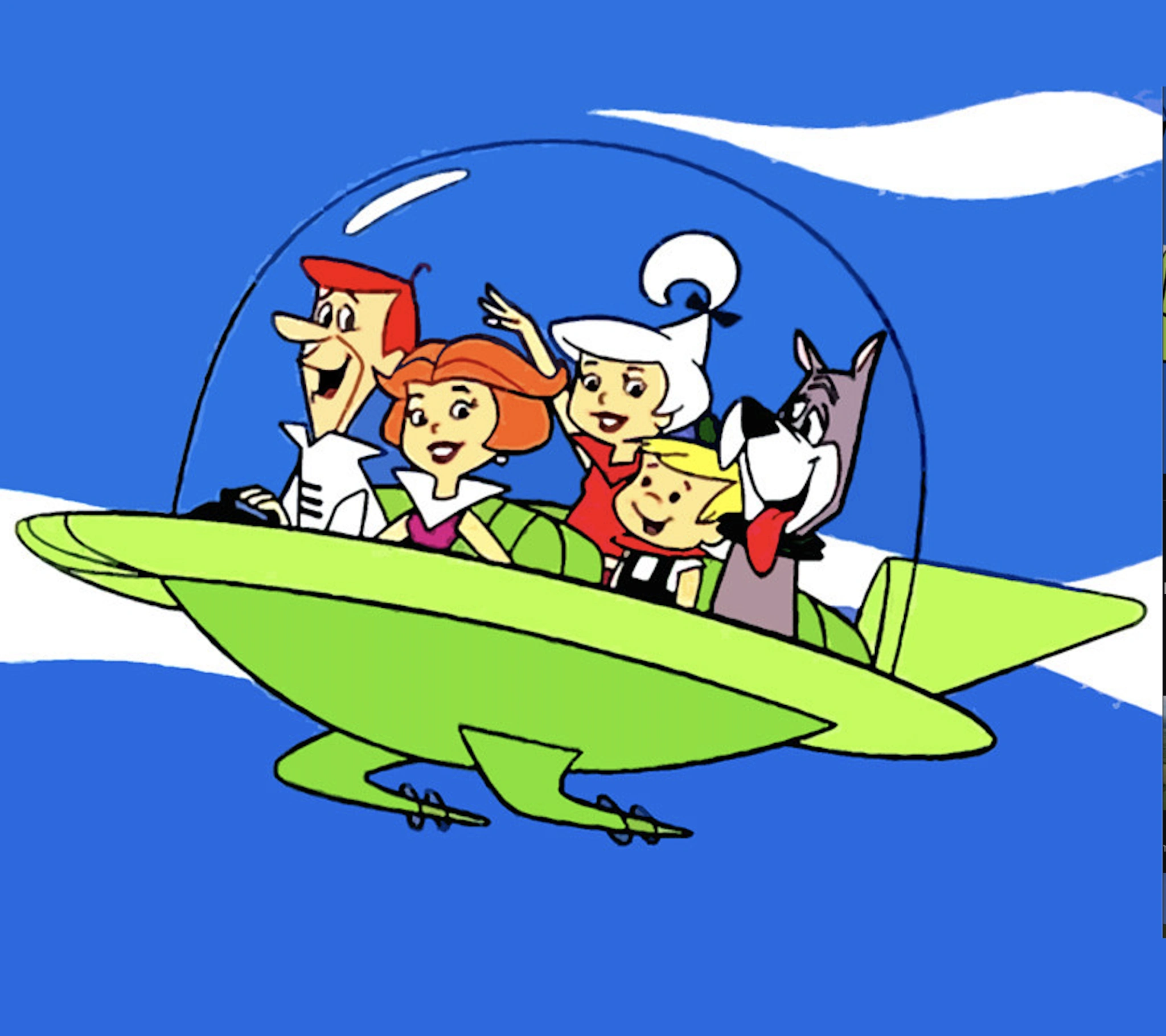
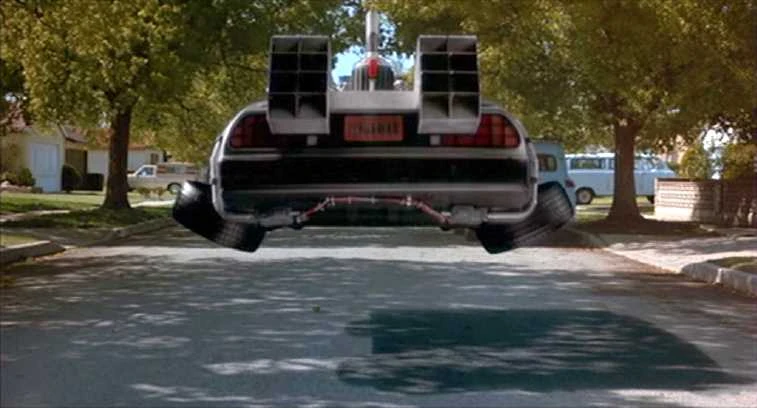
Flying automobiles have been a recurrent motif in science fiction, making appearances in films such as "The Jetsons," and "Back to the Future Part II." Despite the fact that we have not yet arrived at the stage where we can really commute to work in flying vehicles, there are a number of firms that are working toward making this a reality. Electric vehicles that are capable of vertical takeoff and landing are currently being developed by companies such as Uber, and Airbus. These vehicles have the potential to transform urban transportation where they can be more efficient and less harmful to the environment than airplanes, and they have the potential to reduce the amount of traffic congestion that occurs in urban areas. On the other hand, many people believe that flying automobiles are not feasible.
Science fiction has long been a source of inspiration for the development of new technologies. From the Newspad in "2001: A Space Odyssey" to the self-driving cars in "Total Recall" and "Minority Report," many of the devices and gadgets that were once considered pure fantasy have now become a reality. Today, we see the influence of science fiction in everything from smartphones and smartwatches to facial recognition technology and autonomous vehicles. As technology continues to advance at a rapid pace, the line between science fiction and reality is becoming increasingly blurred.
We are witnessing the emergence of technologies like holograms and artificial general intelligence all of which a couple years ago were thought to be fiction.
As we continue to push the boundaries of what is possible, it is clear that science fiction will remain a powerful source of inspiration and a glimpse into the future of technology.
Work cited
2001: A Space Odyssey (2014). Warner home video.
Chappie (2015).
I, robot (2004). Beverly Hills, CA: 20th Century Fox.
Metropolis (1926). Germany: Ufa.
Minority report (2002).
Ready player one (2018). Roma: Warner home video.
Star Trek (1986). Hollywood, CA: Paramount Home Video distributor.
Total recall (1990). United States: Tri-Star.
Wall.e (2009). Milano: Walt Disney studios home entertainment.
‘Dick Tracy’ (1931).
Marvel Cinematic Universe (2008-present)
Star Wars. Created by George Lucas, Lucasfilm, (1977-present).
The Jetsons.
Transcendence(2014) Warner Bros. Pictures.
The Matrix(1999) Warner Bros. Pictures.
Big Hero 6. (2014) Walt Disney Animation Studios.
I, Robot (2004) 20th Century Fox
Other References
Apple (iPad, iPhone, Apple Watch, Vision Pro)
Tesla (self-driving technology, Tesla Bot)
Waymo (self-driving technology)
Uber (self-driving technology, flying automobiles)
Humane (AI-powered pin)
Samsung (Galaxy S8, iris scanning authentication)
Anki (Vector Robot)
Jibo (social robot)
Elon Musk (Neuralink company)
Airbus (flying automobiles)